LEEP Workshops for HVAC Trades - Part 3 | Mastering Control Systems for Optimal Heat Pump Performance
Presented by: Gilles Lesage, Energy Advisor, Total Home Solutions Inc.
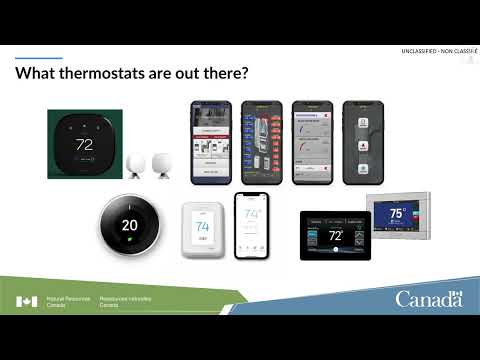
This video discusses different control strategies for a dual fuel system and how the selection of a balance point impacts the performance and cost of a heating and cooling system. Understanding the economics and the priorities of a client are critical to making informed decisions on control schemes.
LEEP Workshops for HVAC Trades - Part 4 | Air Source Heat Pump (ASHP) Sizing & Selection Tool
Presented by: Jérémie Leger, NRCan
NRCan has produced a free air source heat pump sizing & selection tool. Jérémie provides an introduction on how this powerful tool can be used to compare and select heat pumps for a specific project, providing better systems at more competitive process.
For more information about ASHP tool, its download options and how to use the toolkit guides, please visit the following link: https://natural-resources.canada.ca/maps-tools-and-publications/tools/modelling-tools/toolkit-for-air-source-heat-pump-sizing-and-selection/23558
TECA's Hydronic Systems Design course explained
Presented by Todd Backus, P.Eng.
TECA Manager & Programs Development
TECA's Hydronic Systems Design manual with Hydronic & Combo Guidelines forms the basis of our Registered Designer program. Trains those working with hot water heating to properly design a residential hot water heating system to meet the guidelines established by the Residential Hot Water Heating Association of BC. Quality First Registered Hydronic Designers receive a numbered certificate, wallet card and stamp for submitting system drawings from the Guidelines to inspection authorities. These Guidelines are used in conjunction with the TECA Hydronics Systems Design Manual when designing systems. The drawings in these guidelines are approved boiler room and system layouts and are used by many BC authorities having jurisdiction for inspections of hydronic installations.
Quality First Registered Hydronic Designers receive a numbered certificate, wallet card and optional stamp for submitting system drawings from the Guidelines to inspection authorities.
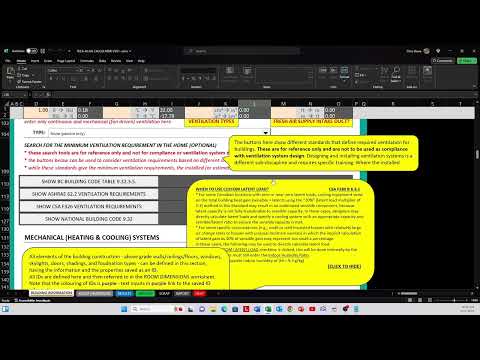
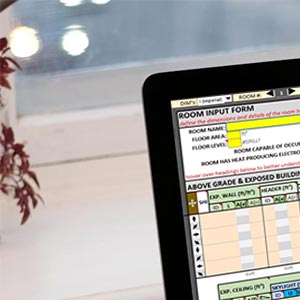
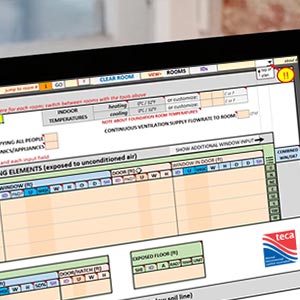
1. TECA Heat Loss & Heat Gain Calculator : INTRODUCTION
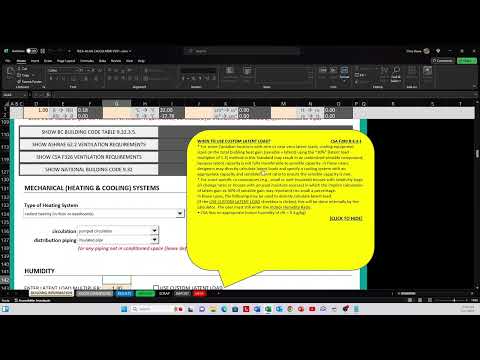
2. TECA Heat Loss & Heat Gain Calculator : BUILDING INFORMATION
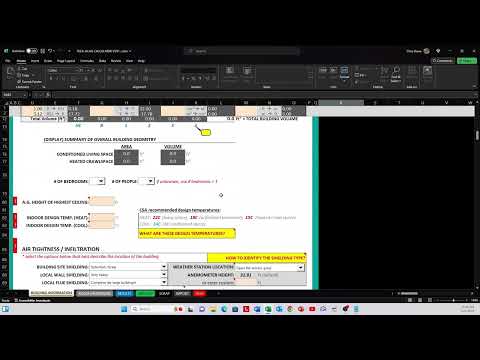
3. TECA Heat Loss & Heat Gain Calculator : ROOM DIMENSIONS
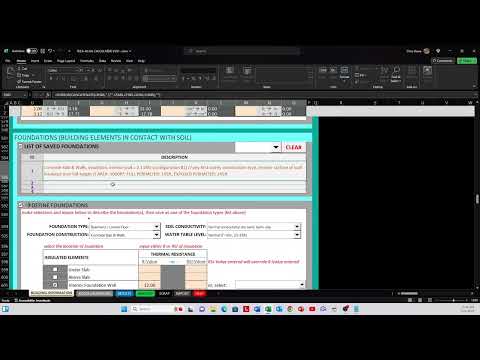
4. TECA Heat Loss & Heat Gain Calculator : BLOCK LOAD
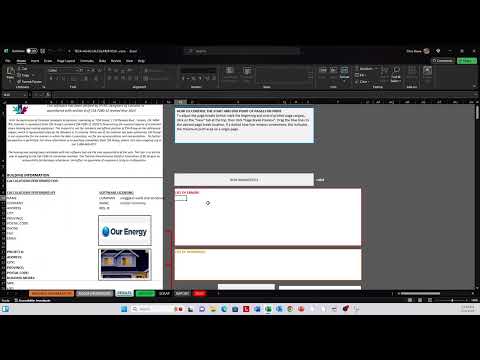
5. TECA Heat Loss & Heat Gain Calculator : RESULTS & AIRFLOW
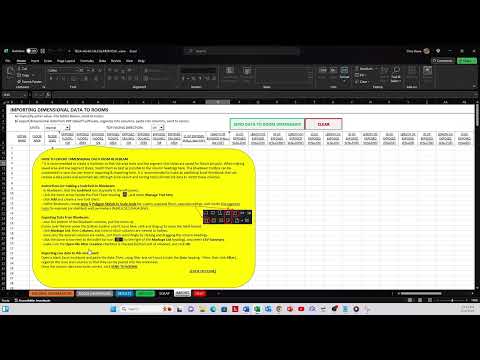
6. TECA Heat Loss & Heat Gain Calculator : IMPORT
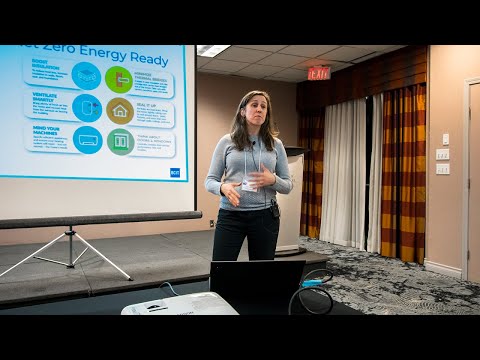
TECA Discussion on Net Zero & Zero Carbon Building Enclosures
What the mechanical contractor needs to know about the new building envelopes and how they affect the work we do. Discussion is on the changing regulatory and policy context that is driving changes in building enclosures and cascading effects on design and construction practices. What will these changes mean for mechanical systems design and installation? Topics include operating and embodied carbon emissions, performance metrics, Step 5 - airtight and low-thermal demand buildings, emerging building science risks and mitigation strategies, etc.
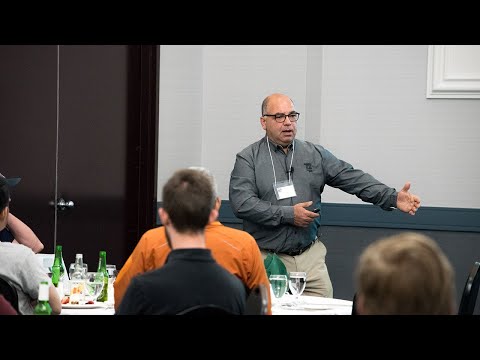
TECA Discussion on Air to Water HEAT PUMPS
Presented by: Nico Pellegrino - Technical Specialist, Thermo 2000
Topics covered in this video include:
- Do I need a buffer tank with a heat pump system?
- Do I need a back up system for a heat pump system?
- The different ways to utilize a buffer tank heating or cooling
- Do I need full back up or just to get me some heat?
- What is the trend for buffer tanks and electric back up boilers for heat pump systems?
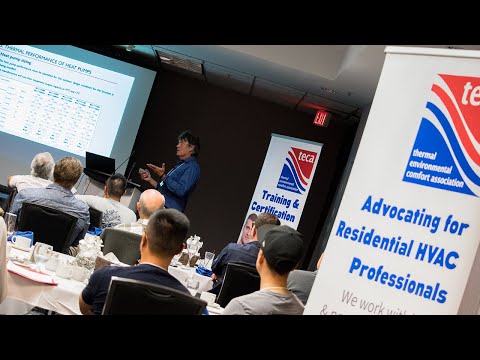
TECA Discussion on Air-to-Air HEAT PUMPS presented by Scott Miller
Scott Miller, Director of TECA (Thermal Environmental Comfort Association of BC) discusses heat pumps in this presentation.
Content:
1. Overview of Heat Pumps: Philosophy
2. Principals of Heat Pumps: How it works ... the Vapor Compression Cycle
3. Categories of Heat Pumps: Ducted, Ductless, Multizone
4. Best Practices: Location, supports, code standards
5. Thermal Properties of Heat Pumps: Capacities, ratings, sizing
6. Electrical Requirements
7. Rebates